 ULAANBAATAR, Mongolia, Tuesday, 25 August 2026—South Sudan has called on global leaders, international financial institutions and development partners to scale up direct and accessible drought financing for fragile and conflict-affected states as the country confronts the combined effects of prolonged droughts, recurrent floods and worsening land degradation.
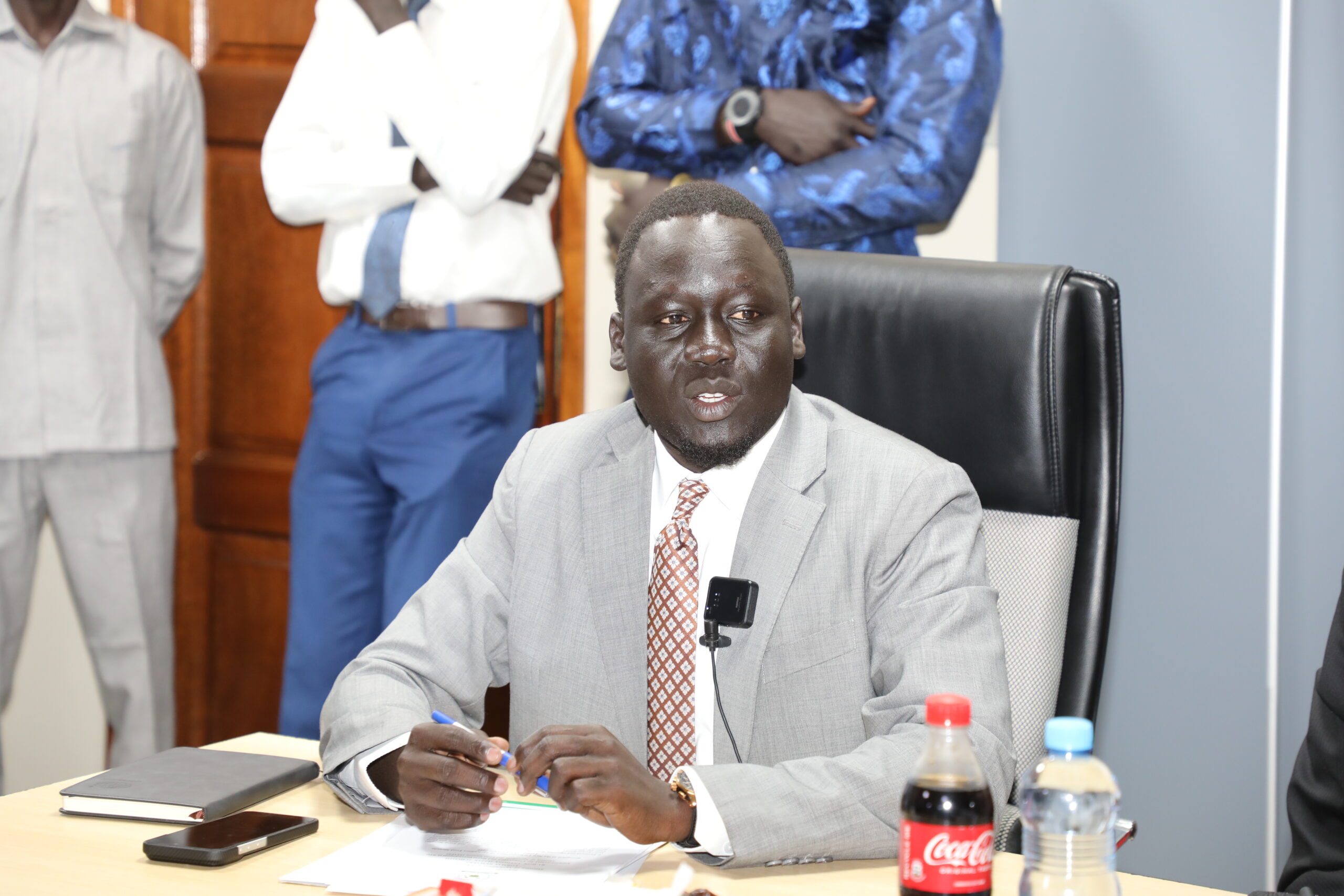
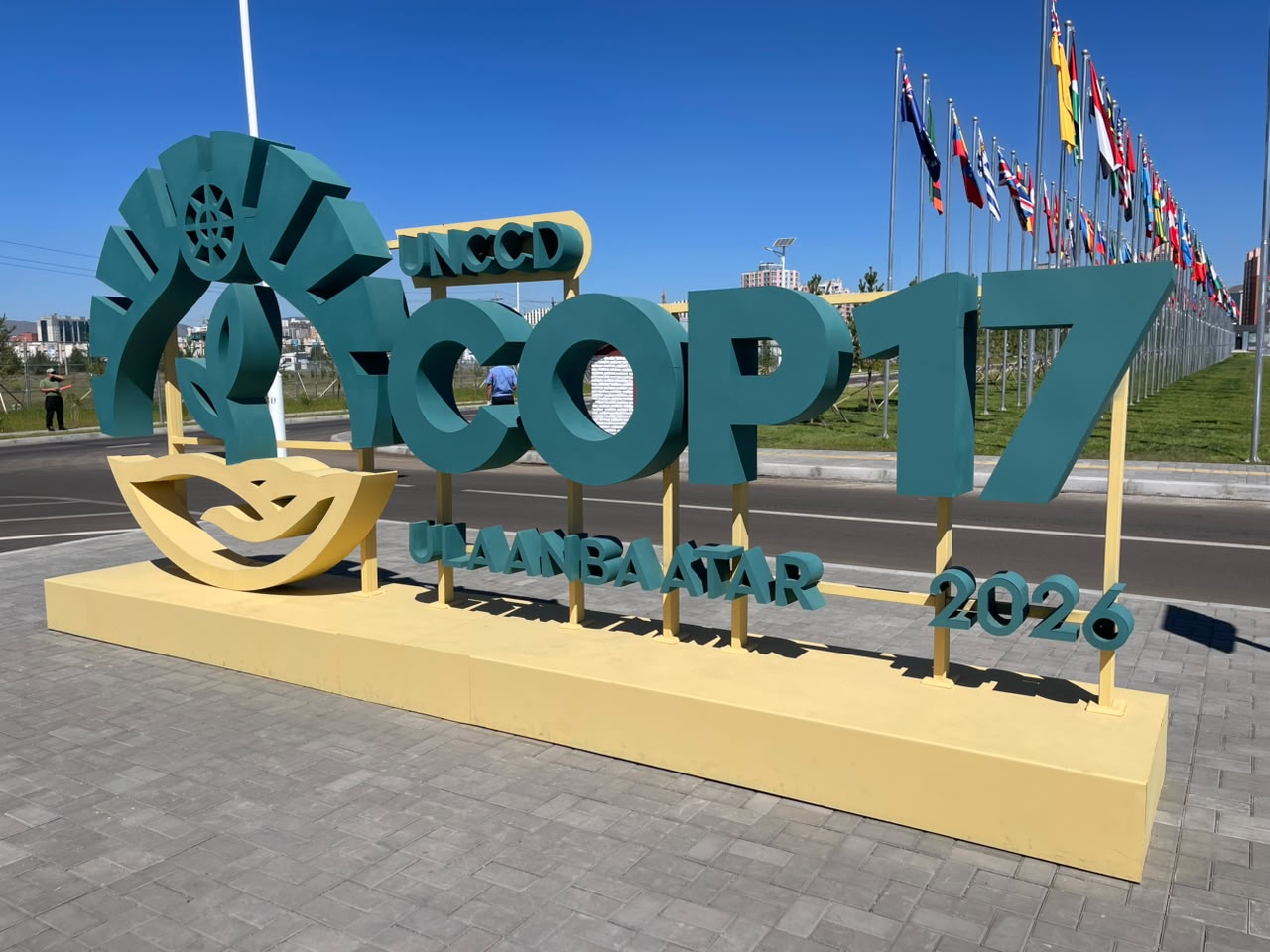
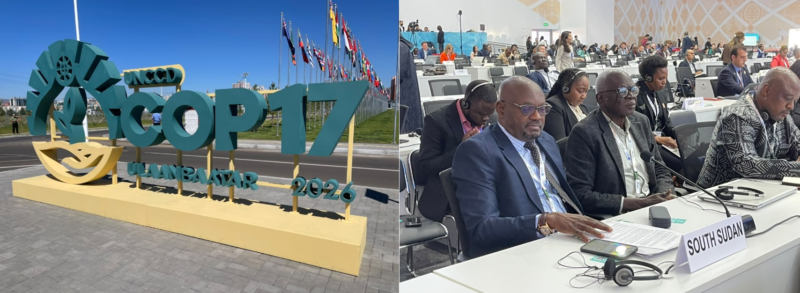
The Minister of Agriculture and Food Security, Hon. Clement Juma Mbugoniwia, appealed at the Ministerial Dialogue on Drought Resilience at the 17th Session of the Conference of the Parties to the United Nations Convention to Combat Desertification (UNCCD COP17) in Ulaanbaatar, Mongolia.
Under the theme “Restoring Land, Restoring Hope,” COP17 brings together governments, international organisations, financial institutions, scientists, civil society and local communities from 17–28 August 2026 to advance global action on land restoration, drought resilience, water security, sustainable food systems and livelihood protection.
Representing the Republic of South Sudan, Minister Mbugoniwia told the conference that prolonged dry periods, and devastating floods increasingly strike the same regions within a single agricultural season, creating a complex climate emergency. These overlapping shocks disrupt crop and livestock production, degrade farmland and grazing areas, displace communities and deepen food insecurity for millions of people.
Minister Mbugoniwia noted that climate-related shocks affect more than seven million people, with rural households, smallholder farmers, pastoralists, women and young people bearing the greatest burden. Limited infrastructure, conflict and inadequate climate financing further weaken South Sudan’s capacity to respond. He reaffirmed the Government’s commitment to proactive climate-risk management by strengthening early warning systems, mobilising anticipatory financing, promoting climate-resilient agriculture, and supporting communities in restoring degraded land and water resources. Through partnerships with the World Food Programme and the Green Climate Fund, the Government is also using satellite analytics and offline digital platforms to deliver timely climate information and agricultural advice to rural farmers.
Presenting South Sudan’s key appeals to COP17, Minister Mbugoniwia said:
“South Sudan calls upon the international community to establish and scale up direct, predictable and accessible drought-financing mechanisms specifically designed for fragile and conflict-affected states. We also call for greater investment in regional and transboundary water resource management because drought, floods, and water insecurity do not respect national borders. Finally, we urge the global community to recognise and integrate Indigenous and pastoral knowledge with modern science and technology. Our pastoralists and rural communities possess generations of knowledge about water, grazing systems, seasonal migration and the sustainable management of natural resources. Combining this knowledge with modern forecasting, satellite technology and climate information will produce stronger, more practical and locally owned solutions.”
Minister Mbugoniwia called for timely drought financing to help vulnerable countries protect livestock, preserve agricultural inputs, rehabilitate water points and safeguard livelihoods before climate shocks become humanitarian disasters. He also urged stronger regional cooperation and coordinated investment in water harvesting, irrigation, watershed protection, information-sharing and the management of shared natural resources. South Sudan’s participation at COP17 reinforces its commitment to working with the international community to advance land restoration, climate resilience, food and water security, and financing arrangements that address the needs of fragile and conflict-affected states.