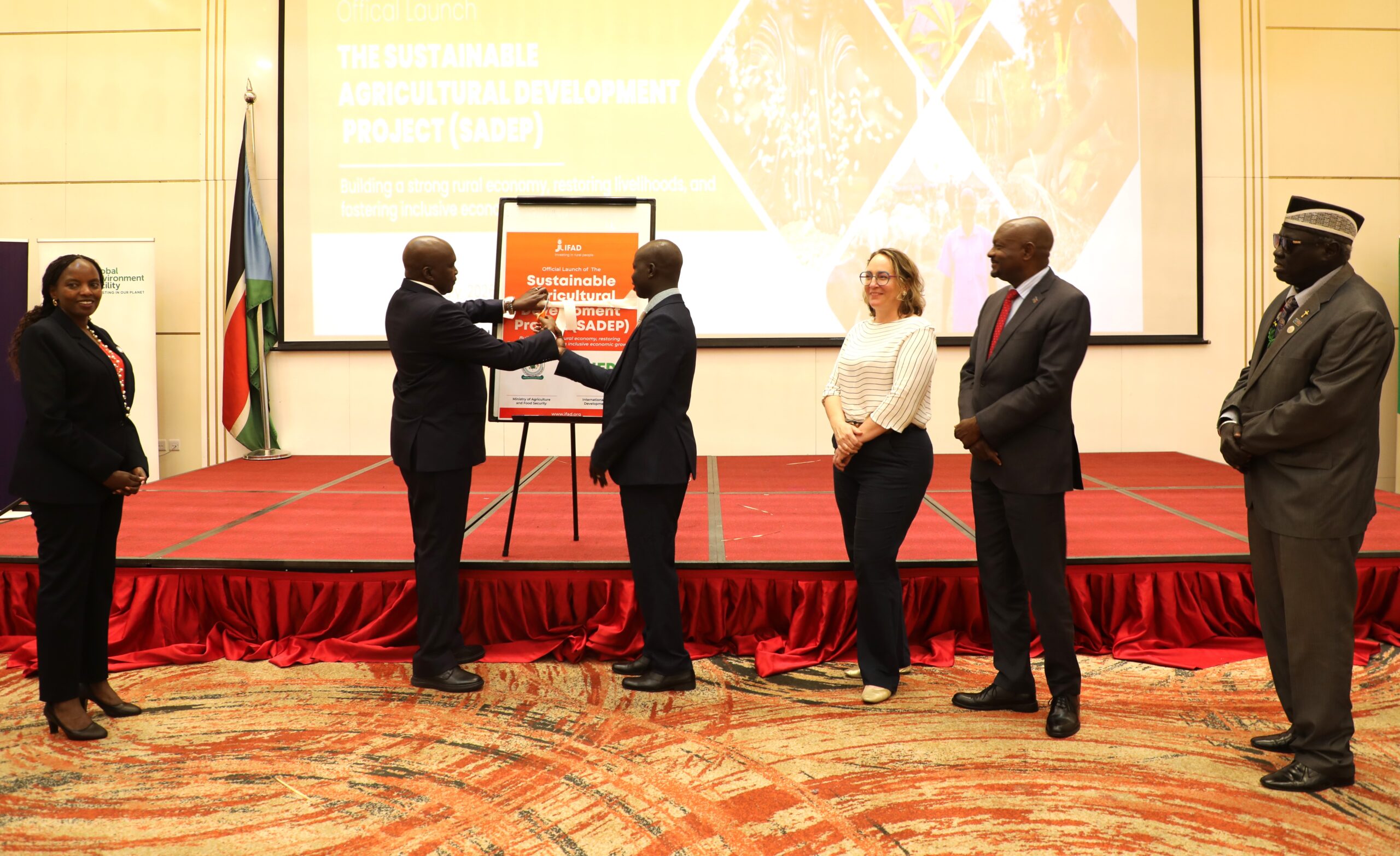
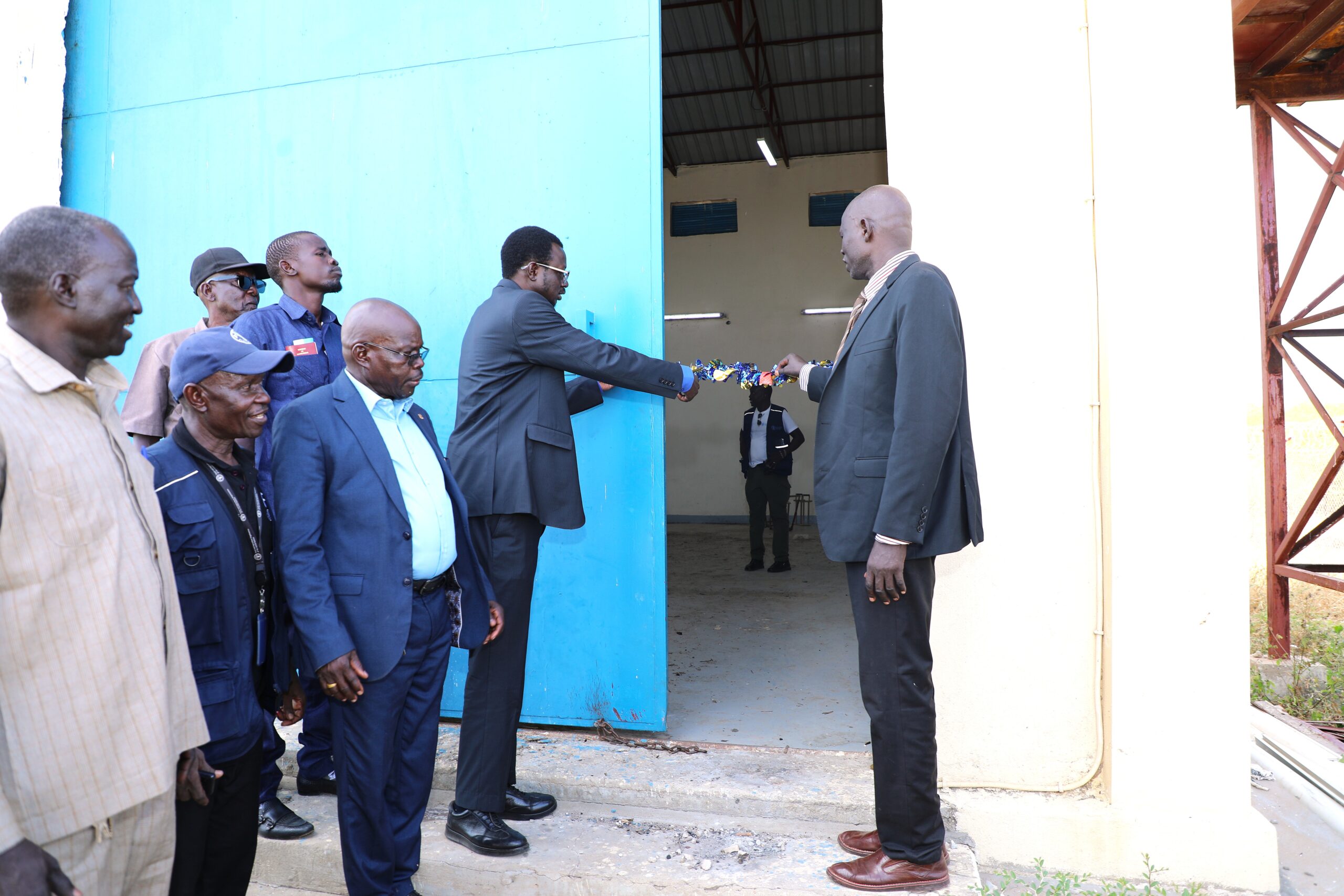
RENK AND MELUT, Upper Nile State, 3 November 2026 — The Ministry of Agriculture and Food Security (MAFS), through the Resilient Agricultural Livelihoods Project (RALP), handed over eight agricultural facilities in Renk and Melut counties.
RALP is a five-year World Bank-funded project that commenced in June 2021, with US$62.5 million in financing and US$30.5 million in additional financing. Its development objective is to strengthen farmers’ organisations and improve agricultural production, productivity and climate resilience. MAFS leads the project, with technical support from the Food and Agriculture Organisation of the United Nations (FAO). Community groups and facility management committees will maintain the infrastructure and set clear rules for its use so women, youth, and other producers can benefit.
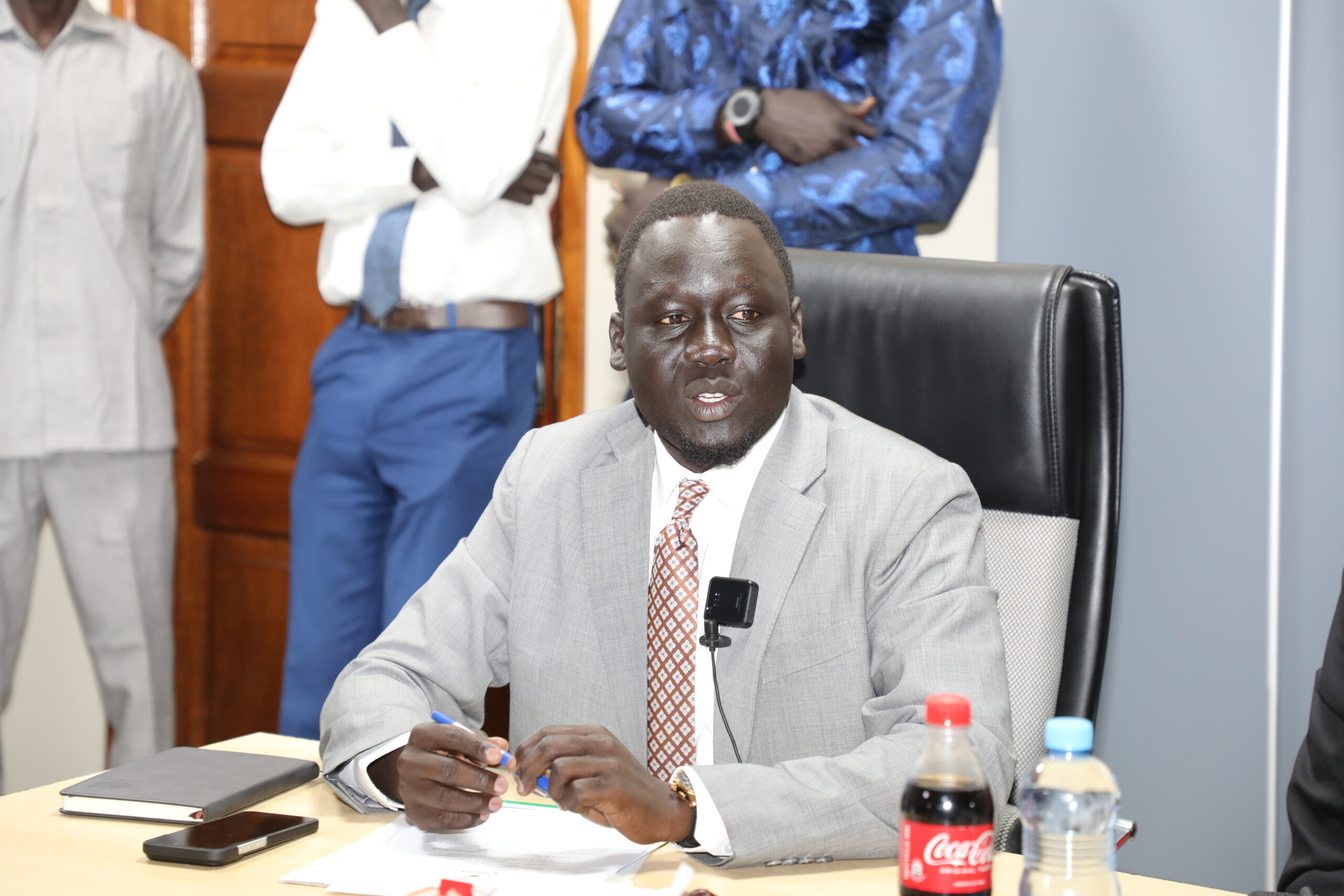
The handover ceremonies took place in Renk on 2 November and in Melut on 3 November. Hon. Morris Adhuol, MAFS Undersecretary for Agriculture and Food Security, and Hon. Angok Deng, Upper Nile State Caretaker Minister for Agriculture, Environment and Forestry, attended both occasions. Martin Tobiolo, FAO’s focal person for Upper Nile State, represented FAO.
In Renk, the facilities handed over include the Multipurpose Community Farmer Centre, Central Tree Nursery, Seeds Store, Fisheries Shade and Pesticides Storage Facility, each contributing to training, seed handling, tree growing, fisheries activities and input management. In Melut, the handover included the Multipurpose Community Farmer Centre, Central Tree Nursery and Seeds Store, supporting similar local activities.
Speaking at the ceremonies, Hon. Adhuol called on communities to take ownership of the facilities so they can better strengthen local agricultural livelihoods and improve their benefits over time.
“These facilities are a foundation for stronger and more resilient agricultural production. I urge farmer groups, cooperatives and fishing communities to manage them transparently, maintain them and make sure women, young people and other producers can benefit. By combining these investments with good agricultural practices and extension advice, communities can build lasting livelihoods,” he said.
The centres are intended to provide space for farmer training, extension services and community coordination, helping improve local agricultural livelihoods through these functions. The seed stores can improve seed handling and storage, while the nurseries can support tree growing and climate resilience. The fisheries shade and pesticide storage facility in Renk adds infrastructure for fisheries activities and agricultural input management, strengthening these local activities.