Media Profile: Hon. Clement Juma Raphael Mbugoniwia (MP)
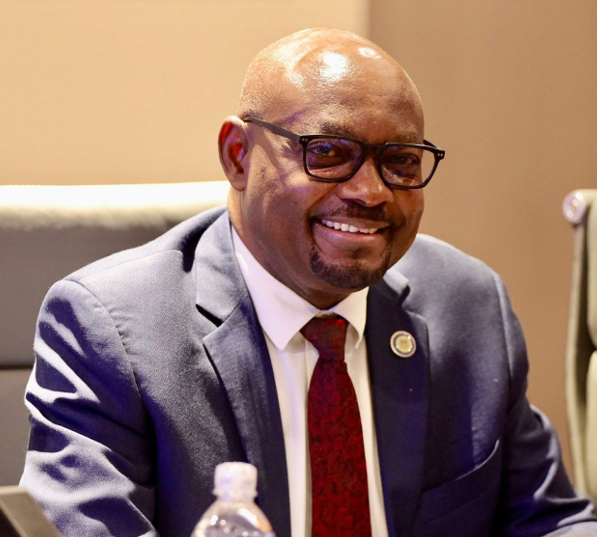
Hon. Clement Juma Raphael Mbugoniwia, National Minister of Agriculture and Food Security
Hon. Clement Juma Raphael Mbugoniwia serves as the National Minister of Agriculture and Food Security in the Revitalised Transitional Government of National Unity (R-TGoNU), having been appointed through a Presidential Decree on 6 May 2026. He is also a Member of the Transitional National Legislative Assembly (TNLA), representing Tombura County in Western Equatoria State as a member of the South Sudan Opposition Alliance (SSOA).
A distinguished lawyer, legislator, constitutional reform advocate, and peace negotiator, Hon. Clement has dedicated his career to promoting democratic governance, human rights, constitutionalism, and sustainable peace in South Sudan. He currently serves as Deputy Chairperson of the South Sudan Opposition Alliance (SSOA) and Chairperson of the South Sudan National Movement for Change (SSNMC), one of the alliance’s constituent political parties.
Born on 7 December 1965 in Maridi, Western Equatoria State, Hon. Clement’s early life was shaped by the realities of conflict and displacement. Following the Addis Ababa Peace Accord of 1972, he pursued his education in South Sudan before receiving a scholarship from the World Council of Churches to study Development Studies at Holy Ghost College, Kimmage Manor, Dublin, Ireland, where he graduated with a Diploma with Merit in 1997. He later sought asylum in the United Kingdom after political persecution linked to his support for the SPLM/A liberation struggle. He went on to earn a Bachelor of Laws (LLB Hons), a Master of Laws (LLM), and a Postgraduate Diploma in International Human Rights from Birmingham City University.
Hon. Clement began his professional career as a Local Government Officer in Sudan and obtained a Certificate in Public Administration from the Sudan Academy for Administrative Sciences in Khartoum. He later established a successful legal practice in Juba, Clement Juma & Co. Law Advocates and Commissioner for Oaths, providing legal services and advocacy on governance and human rights issues.
His public service career includes serving as State Minister for Physical Infrastructure and Public Utilities in Western Equatoria State between 2012 and 2015, during which he also served for six months as Acting Minister of Local Government. At the national level, he has played an important role in South Sudan’s peace and governance processes, serving as a member of the Equatoria delegation during the 2014 Addis Ababa Peace Talks and later participating in the High-Level Revitalisation Forum (HLRF) negotiations from 2017 to 2018, which culminated in the signing of the Revitalised Agreement on the Resolution of the Conflict in South Sudan (R-ARCSS).
As a constitutional reformer, Hon. Clement served on the National Constitutional Amendment Committee (NCAC) from 2018 to 2024, contributing to the review and amendment of 27 laws, including key reforms to the Transitional Constitution of the Republic of South Sudan. In Parliament, he has served as a member of the Transitional National Legislative Assembly since 2020. Currently, he chairs the Sub-Committee on Bilateral Relations (African and European Desk) under the Committee on Foreign Affairs and International Cooperation.
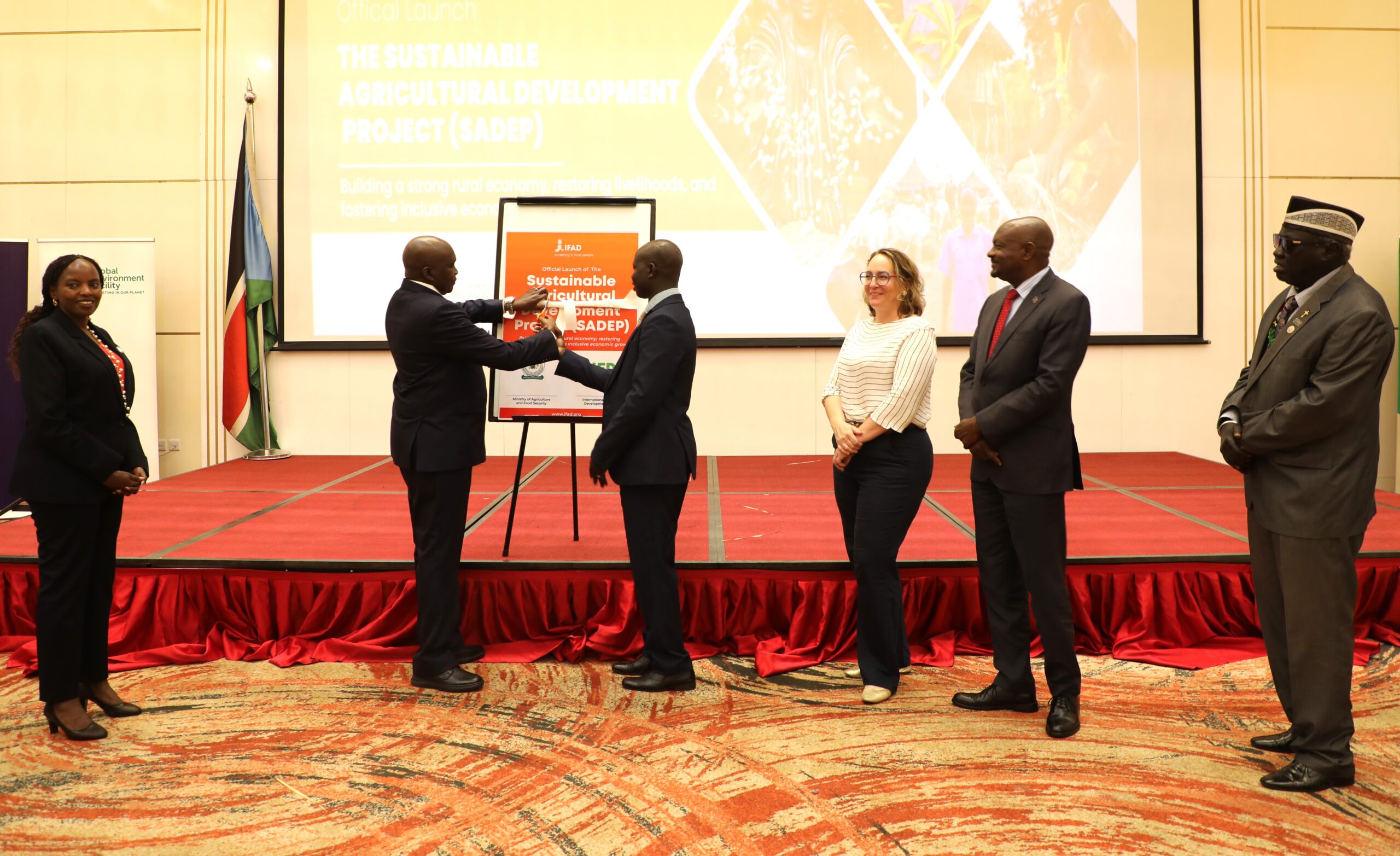
As Minister of Agriculture and Food Security, Hon. Clement is spearheading efforts to transform South Sudan’s agricultural sector through institutional strengthening, modernisation of farming systems, revitalisation of agricultural schemes, support to farmers’ organisations and cooperatives, promotion of private-sector investment, and increased participation of women and youth in agricultural value chains. His vision is anchored in reducing dependence on food imports, enhancing national food security, promoting mechanised and commercially oriented agriculture, and positioning agriculture as a key driver of economic growth and rural livelihoods.
Today, Hon. Clement continues to champion inclusive governance, constitutional reform, peacebuilding, and agricultural transformation as part of South Sudan’s broader journey toward stability, self-reliance, and sustainable development.
.